
The Dalhousie administration has made the decision to quietly remove the note-taker accommodation option for students. This decision was executed without notifying many of the students and staff.
Peer note-takers are a resource used by a variety of students, primarily those with some form of disability. Whether it be for attentional difficulties, chronic pain that prevents class attendance, hearing or visual impairment, anyone who feels they need help getting notes from their lectures can apply.
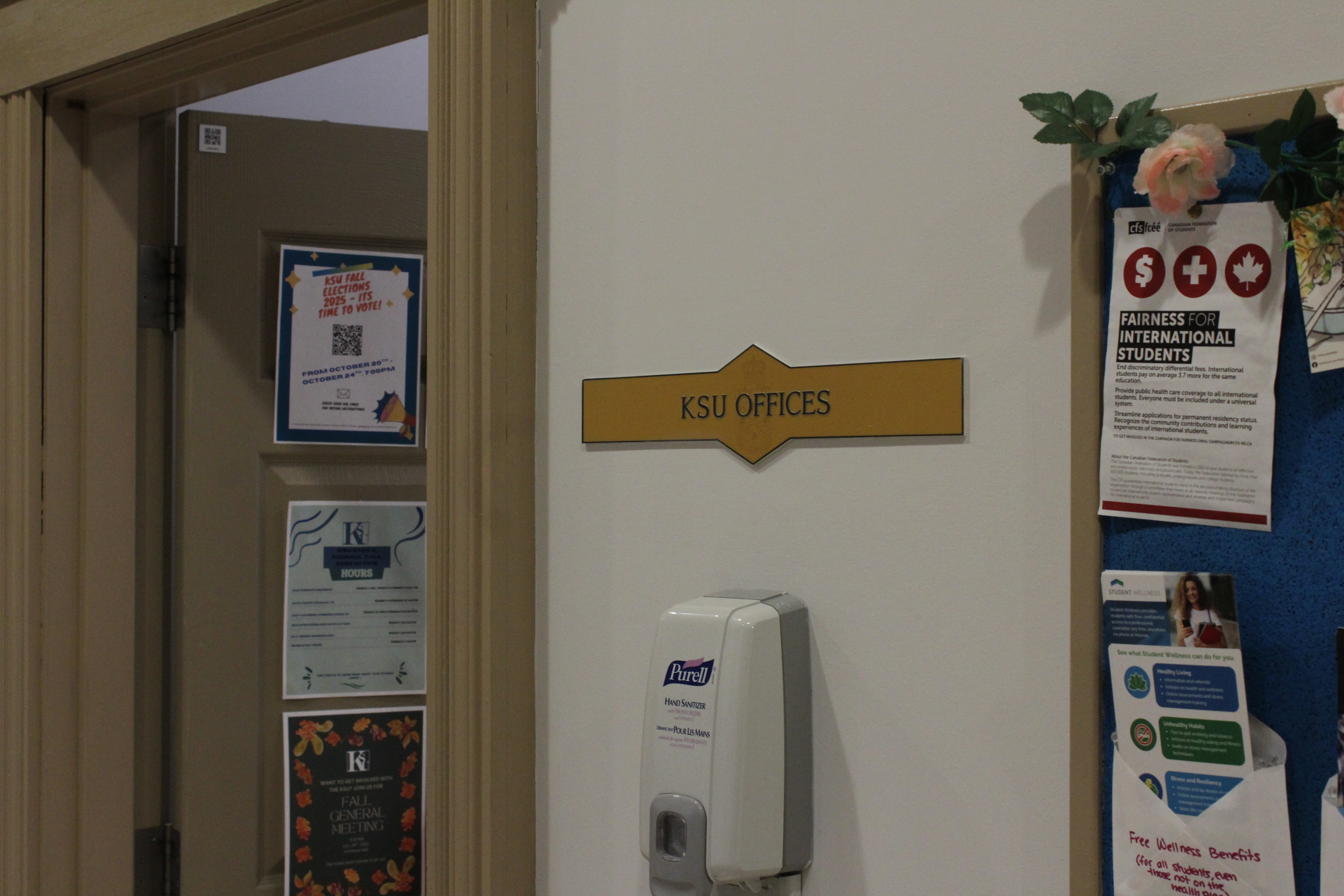
King’s used the Dalhousie-based program in its classrooms, and this decision has removed the option for King’s classes and students.
One of these students is Gale VanAmburg, communications vice president of the King’s Student Union (KSU). They suffer from chronic pain which causes them to occasionally miss class and rely on notes from others. Due to the removal of the note-taker program, these notes are no longer accessible to them.
“It’s going to have huge consequences for the mental health of many students,” said VanAmburg.
Ellie Anderson, president of the KSU, also used the note-taker program before it was removed. Some of her professors have been recording the lectures for her, but others are worried about their intellectual property being misused. Without a note-taker, she is left without any course notes for certain classes.
“When I found out that it was cut, I honestly knew immediately that it wasn’t a decision made by King’s,” said Anderson.
“A lot of people, frankly, feel cheated because we’re paying for an education that now we’re not getting,” she said, “and there is now an extra barrier to us getting that education.”
Both King’s and Dalhousie staff are similarly confused to hear of this abrupt change. Many of them were not informed of the program’s removal and were left to figure out how to help students on their own.
Tim Currie, vice president at King’s, emailed the following statement to The Watch: “King’s faculty members have expressed concern about what they perceive is a lack of clarity on this issue. In response, King’s accessibility officer Michelle Mahoney has arranged for Dal [accessibility and teaching] administrators to meet with King’s academic program directors on Oct. 28 to provide more information.”
Mélanie Frappier, director of the History of Science and Technology program at King’s, said she found out about the notetaker program’s disbanding because her son was supposed to be eligible to participate in the program.
After the program’s removal, Frappier’s son was instead directed to try a pen that will record the lecture, allowing the writer to backtrack if they get lost. This would ensure that the notes would be robust and not missing any pieces. However, Frappier says this technology was discontinued years ago.
“It puts a lot of pressure on faculty,” said Frappier. “Students should know that they are not the only ones unhappy with this.”
Quenta Adams, assistant vice provost of student engagement and success at Dalhousie, said she supported the decision made by the Dalhousie Accessibility Centre to remove the program.
“I understand that with change, there is always a bit of trepidation,” said Adams. “This decision wasn’t made in isolation.”
Adams said the decision to revise the operation was the result of a year-long review of the program and cited issues such as quality and timeliness of the notes.
The current Dalhousie Student Accommodation Policy states that “[t]he inclusion of Students with disabilities is essential to advancing institutional equity, enriching academic excellence, and cultivating a truly representative and thriving learning environment.”
It also states that “Dalhousie University is committed to inclusive education, spaces, services, policies, and communities where every student can meaningfully engage with and fully participate in the university environment with respect and dignity.”
But VanAmburg believes that by eliminating the note-taker program, the university is contradicting these beliefs.
“I think what this tells disabled students really clearly is that we don’t support you the way you need to be supported,” says VanAmburg. “And it sends the message, whether they meant to or not, that our university isn’t a place for you.”
King’s has other resources still available to students. The King’s Accessibility Officer, Student Support Advisor and the KSU all work to guide and support students who are struggling. Students can also contact the Dal Accessibility Center.